Finding Buried Septic Systems
Septic Tank Locating in Jasper, GA
Can't find your septic tank? Get help locating it. Get a Free Estimate
Finding Buried Septic Systems
Can't find your septic tank? Get help locating it. Get a Free Estimate
Many homeowners know they have a septic system but have no idea where the tank is buried. This is especially common when buying an older house, moving into a mountain property, or taking over a home with missing maintenance records.
A buried septic tank can be difficult to identify without the right equipment and experience. Random digging can damage underground utilities, pipes, landscaping, or septic components.
Septic Installation Jasper GA helps connect property owners with local professionals who offer septic tank locating services.
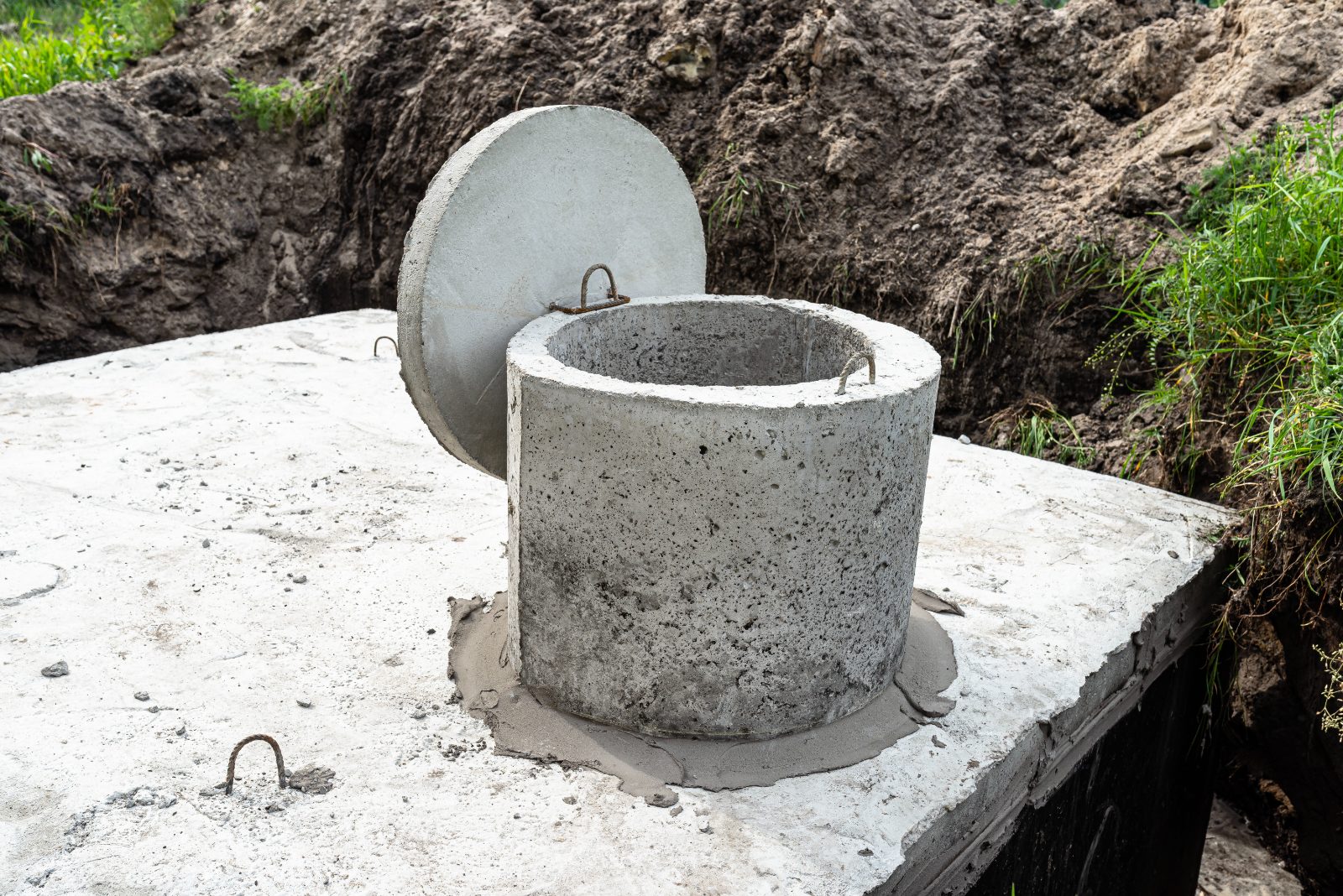
## Finding the Tank Without Unnecessary Digging A septic tank is usually connected to the home's main sewer line, but its exact location varies. Older properties may have unusual layouts, buried access covers, or undocumented modifications. A qualified professional may review available records, trace the sewer line, use electronic locating equipment, or carefully probe appropriate areas. ## Why Tank Location Matters Knowing where your tank is located makes future pumping and maintenance easier. It also helps protect the system from accidental damage during landscaping, driveway work, additions, and excavation. Once the tank is located, record its position and keep the information with your property documents.
Older homes may have septic systems installed before current owners purchased the property. Original plans can be missing, and landscaping changes may hide access covers. A professional can investigate likely tank locations and determine which locating methods are appropriate.
Some professionals use electronic locating tools or specialized transmitters to trace underground plumbing or identify tank locations. The equipment and method depend on the system configuration. Electronic locating can reduce unnecessary excavation, but not every buried system can be identified with a single method.
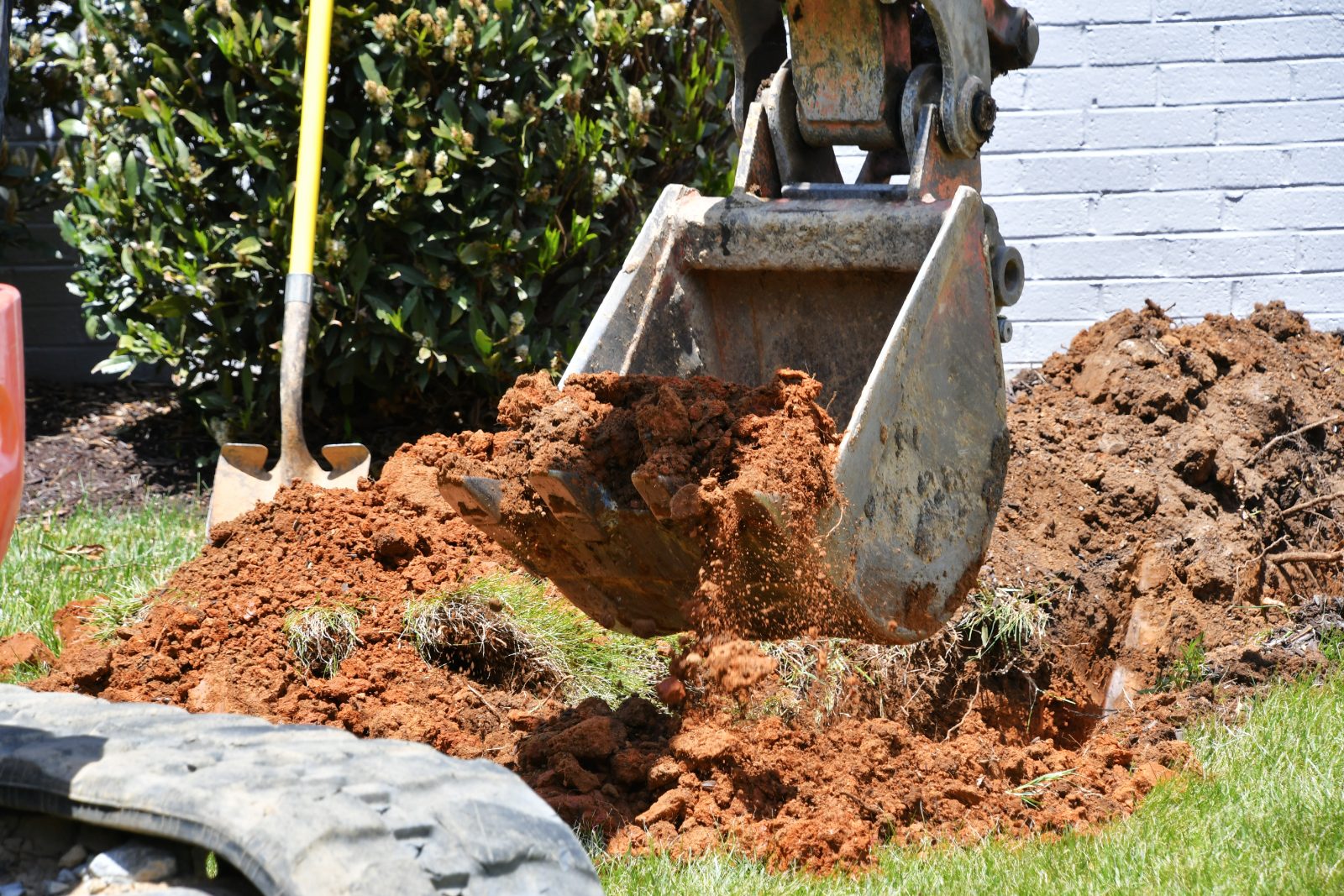
Even when the tank's general location is known, its access lids may be buried beneath soil or landscaping. Locating the lids is important for pumping and inspection. Ask whether exposing access covers is included in the service or billed separately.
Before installing a fence, building an addition, changing a driveway, or excavating near the house, it is important to understand where septic components are located. Septic locating does not replace required utility locating. Underground utilities should be identified through the appropriate utility notification process before digging.
Once the tank is found, keep a simple property sketch showing its location relative to permanent landmarks. Save any available permits, service records, and inspection reports. Good records make future maintenance easier and can be useful when selling the property.
| Service | Estimated Cost | Average |
|---|---|---|
| Basic tank locating | Often $150–$400 or more | Property-dependent |
| Electronic locating | Often $200–$600 or more | Equipment-dependent |
| Complex or difficult locating | May exceed standard service ranges | Site-specific |
| Access lid excavation | Additional charges may apply | Depth-dependent |
These are broad planning estimates, not confirmed Pickens County prices. Costs depend on property size, access, available records, locating methods, and excavation needs.
We connect homeowners with local septic professionals who may offer locating services.
Tank locating is especially helpful when previous owners left no septic records.
Professional locating methods can reduce random digging.
Knowing the tank location makes pumping and inspections easier to arrange.
Can't find your septic tank? Request help from a local septic locating professional serving Pickens County.
Free — no obligations
Explain whether you know the approximate tank location or have any existing records.
We help identify a septic professional offering appropriate locating services.
The provider considers property records, plumbing layout, and accessible system components.
The professional uses suitable locating methods and discusses any excavation requirements.
Document the tank and access points for future maintenance.